


Why Choose Ductile Iron Pipe for Water Supply Systems?
When planning for a water supply system, selecting the right materials is critical due to various challenges such as corrosion, reliability, and maintenance costs. Ductile iron pipes stand out as a robust solution in addressing these pain points effectively. Unlike traditional piping materials, ductile iron pipes offer exceptional tensile strength and flexibility, making them ideal for dealing with fluctuating pressures and ground movement. When implemented in water supply scenarios, they can significantly reduce leakage rates and improve overall system integrity, ensuring a consistent water supply for residential and industrial needs.
Key Benefits of Ductile Iron Pipes
Ductile iron pipes provide numerous advantages that enhance the efficacy of water supply systems. Here are several key benefits, combined with relevant data and case studies:
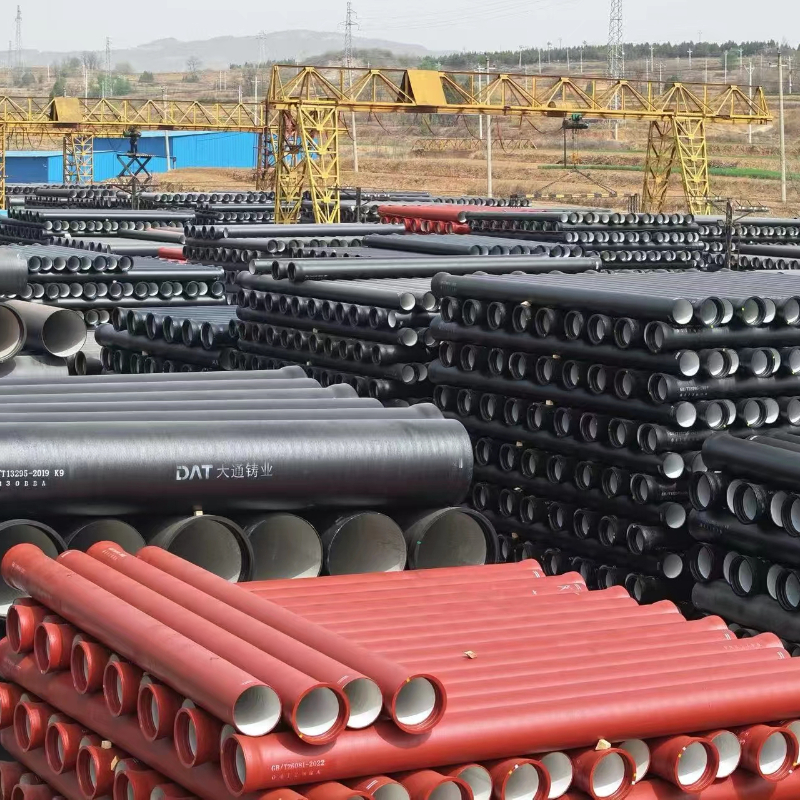
Strength and Durability
Ductile iron pipes are engineered to withstand high-pressure environments. According to research conducted by the American Water Works Association, the tensile strength of ductile iron components can exceed 60,000 psi, providing a strong foundation capable of lasting over 100 years under optimal conditions. In comparison, conventional pipes made from PVC or cast iron typically have lower durability rates, leading to more frequent replacements and higher long-term costs.
Resistance to Corrosion
Corrosion is a significant issue in water supply systems that can lead to increased maintenance costs and service interruptions. A study published by the National Association of Corrosion Engineers highlights that ductile iron pipes equipped with protective coatings can last up to 80 years in corrosive environments. This markedly contrasts with galvanized steel pipes, which often see significant degradation within 25 years, leading to leaks and water quality issues.
Cost Efficiency
While the initial investment in ductile iron pipes may be higher compared to alternatives, the lifecycle cost is considerably lower. A case study from the University of Hull illustrates that municipalities utilizing ductile iron piping saw maintenance costs drop by 45% over a 30-year period, primarily due to lower failure rates and reduced leakage. This makes ductile iron pipes not just a resilient choice, but also an economically wise one.
Ductile Iron Pipes vs. Alternative Materials
When discussing water supply systems, understanding the trade-offs of material choices is essential. Let's compare ductile iron pipes against other common materials:
Ductile Iron Pipes vs. PVC
Tensile Strength: Ductile iron pipes have a tensile strength of up to 60,000 psi, while PVC tends to be around 7,000 psi.
Longevity: Ductile iron pipes can last over 100 years, whereas PVC pipes might require replacement after 25 years.
Ductile Iron Pipes vs. Cast Iron
Flexibility: Ductile iron pipes are more flexible, allowing for easier installation in seismic areas.
Resistance to Fractures: Ductile iron pipes show a higher resistance to fractures compared to brittle cast iron.
Conclusion: The Value Proposition of Ductile Iron Pipes
In summary, ductile iron pipes deliver unmatched strength, longevity, and cost efficiency, making them the premier choice for water supply systems. By investing in ductile iron, municipalities and businesses can ensure a reliable water supply with lower maintenance costs and increased system longevity.
Call to Action: Explore Datong's Ductile Iron Pipes
Interested in enhancing your water supply system? Explore the robust offerings from Datong and discover how our ductile iron pipes can address your specific needs and challenges. Learn more here!
- Previous: None
- Next: Why Choose Ductile Iron Pipe for Water Supply Systems?